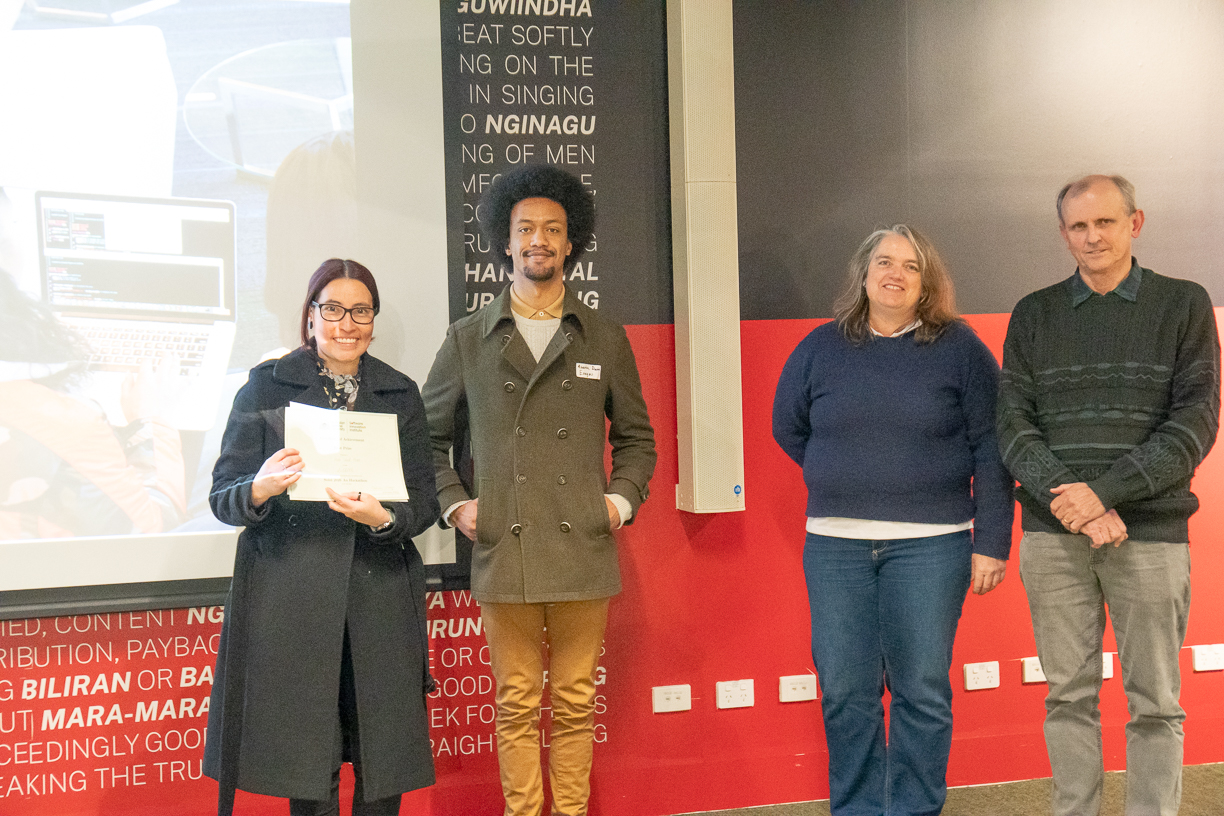
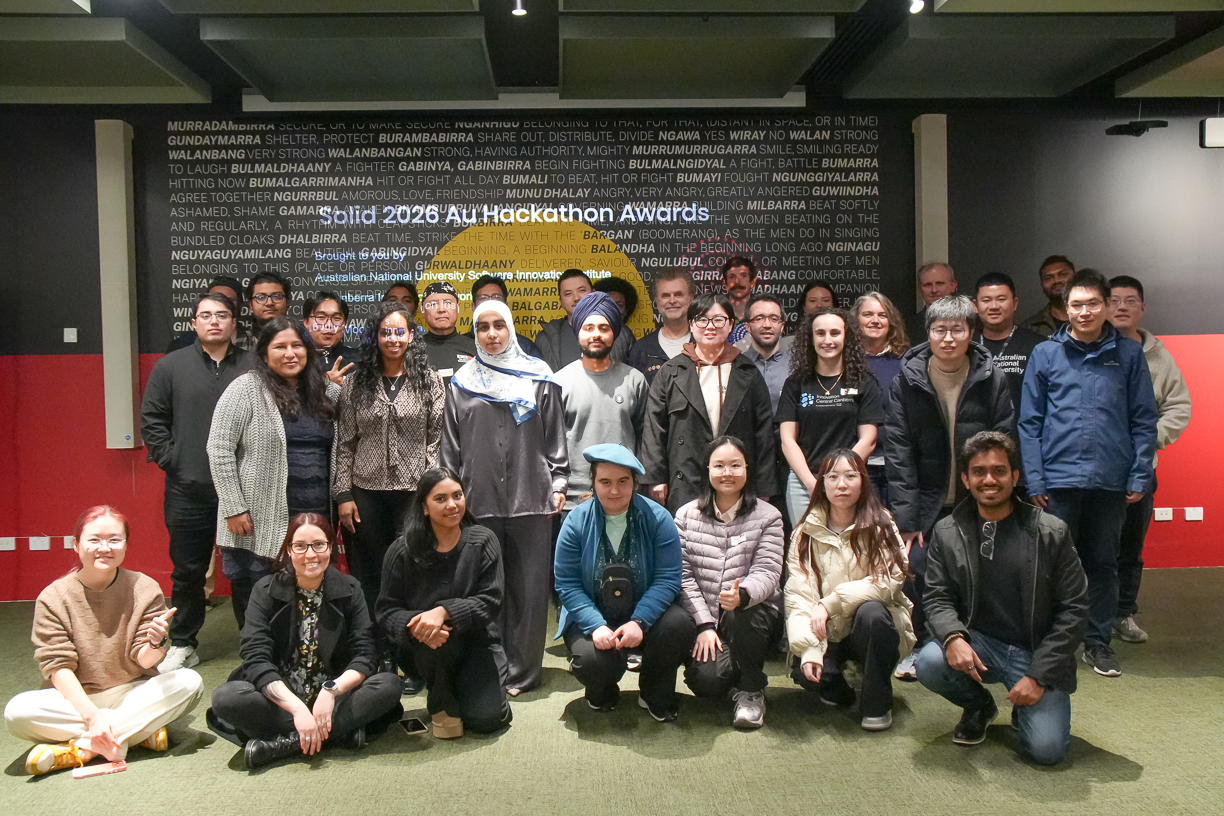
The Solid 2026 Hackathon has wrapped, and what a three days it was. From 14 to 16 July, participants from various backgrounds gathered at the Birch Innovation Space at the Australian National University to learn, build, and ship privacy-first applications on the Solid protocol, the open W3C standard that lets individuals store their personal data in decentralised Personal Online Datastores (PODs) and decide exactly who can access it.
Co-hosted by the ANU Software Innovation Institute and the Canberra Innovation Network (CBRIN), with support from our amazing sponsors, the event brought together a genuinely multidisciplinary crowd: software engineers and data scientists working alongside designers, students, and data privacy advocates, many of whom had limited experience with the Solid protocol.
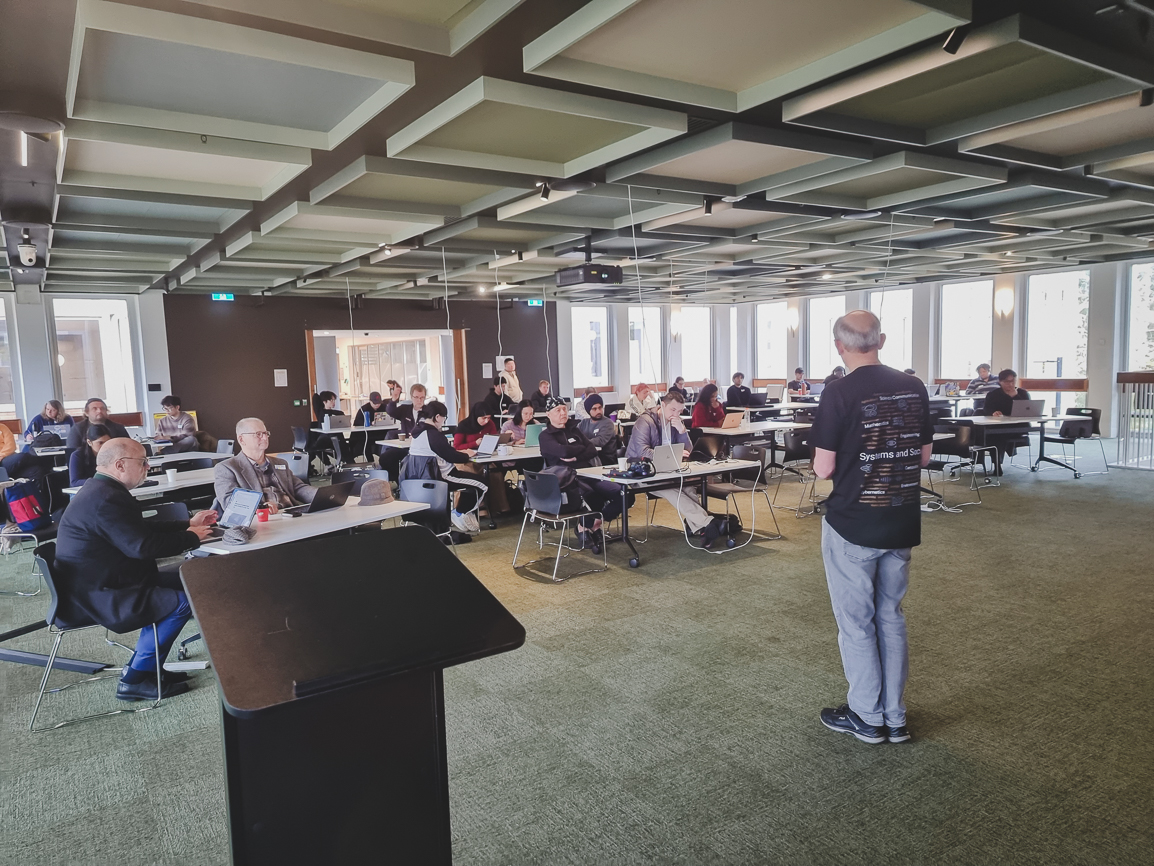
From first Pod to working app
Day one was all about foundations. Participants created their first Pods on the
solidcommunity.au server infrastructure, then worked
through hands-on tutorials reading, writing, and sharing notes between Pods with NotePod,
exploring apps like FilePod and TodoPod, and setting up a Solid Flutter app from the
solidui template. By late afternoon, teams that had started the day new to the
protocol have started building their own applications with support from mentors and from Claude,
with every participant receiving $25 in Claude credits for AI-assisted coding, design,
and prototyping throughout the event.
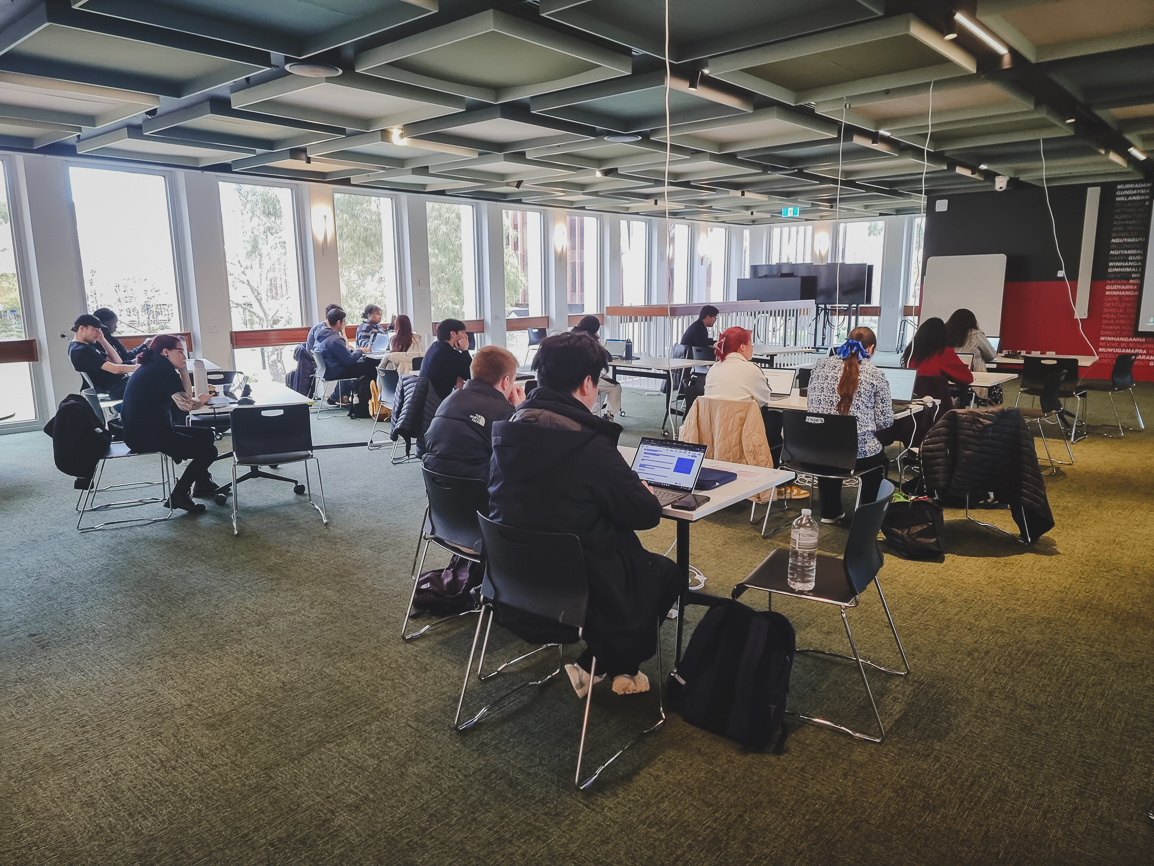
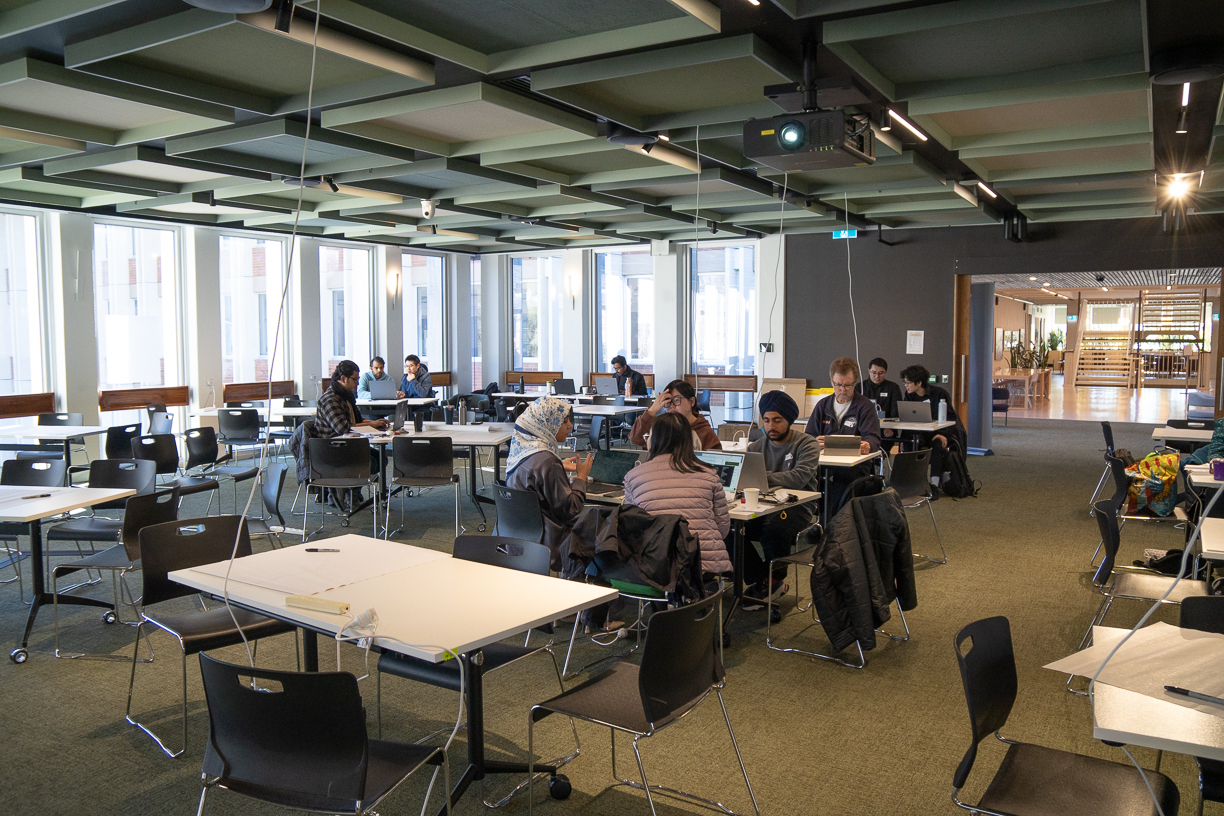
Days two and three shifted into full build mode. Teams sketched, prototyped, hit the inevitable walls, and worked through them with help from mentors and researchers actively building Solid-based systems. Teams had an insightful session with Jack Cassidy from CBRIN on how to pitch their ideas and products for maximum impact. The event culminated in final demos on Thursday afternoon, with teams judged on their Innovative ideas, Solid protocol integration, privacy and security design, and working functionality.
The projects
The quality and range of what teams shipped in under three days was remarkable. Altogether, there were 12 teams who developed their privacy-first by design apps. Projects included storing your highly sensitive health data in Pods to integrating AI agents in Pods context.
With over $2,000 in prizes on offer, congratulations go to:
-
Leading team
Lillith — Kathia (Kat) Loaiza del Pozo
A private, science-backed cycle tracker whose data lives encrypted on your own Solid Pod.
-
Runner-up
SeedPod — Jiaoyang Liu, Riju Shrestha, Clarissa Womack, Yidung Qiu
A privacy-first baby tracking app built on the Solid Protocol where parents can log feeds, sleep, nappy changes, milestones, and health data.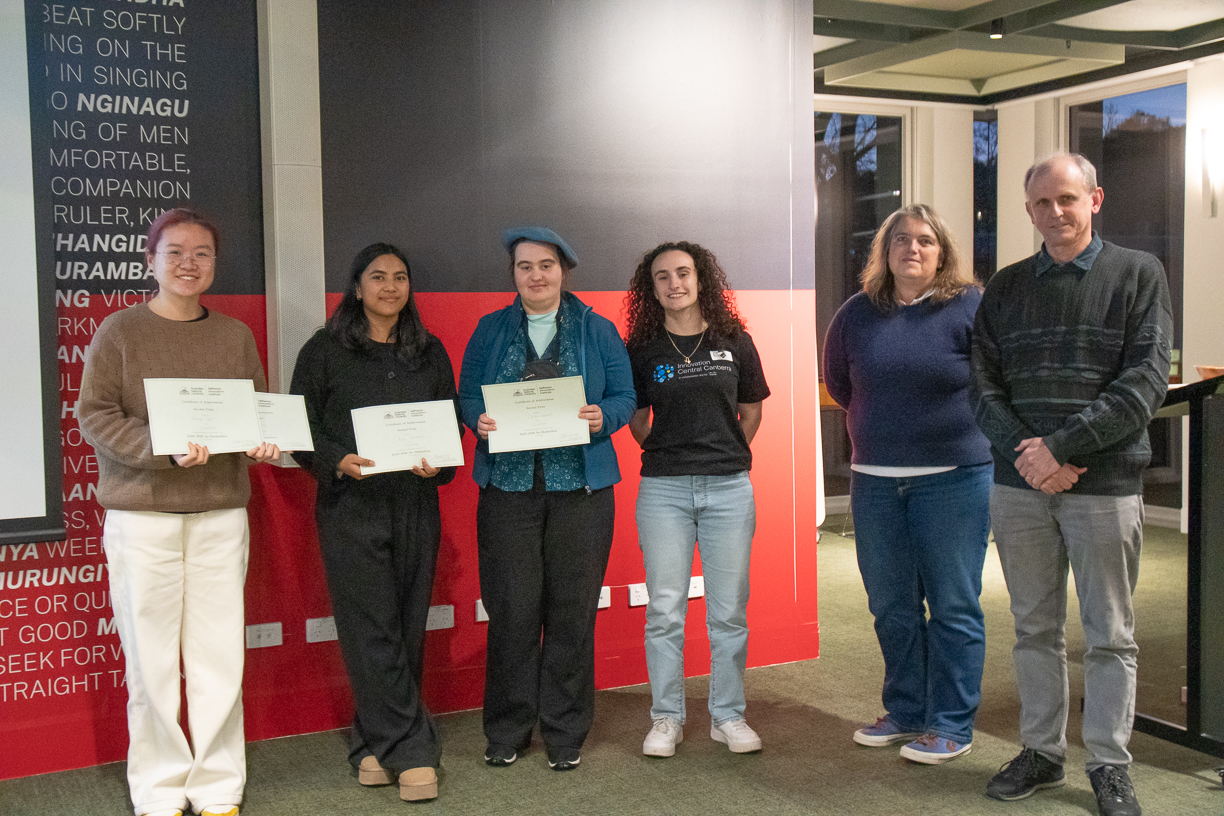
-
Gender diverse team prize
BioPod — Jastej Singh, Mariam Wali, Jun Jun Zhang, Qihua Huang,
A health app where all your medical results can be saved in Solid Pods and owned all by the data owner.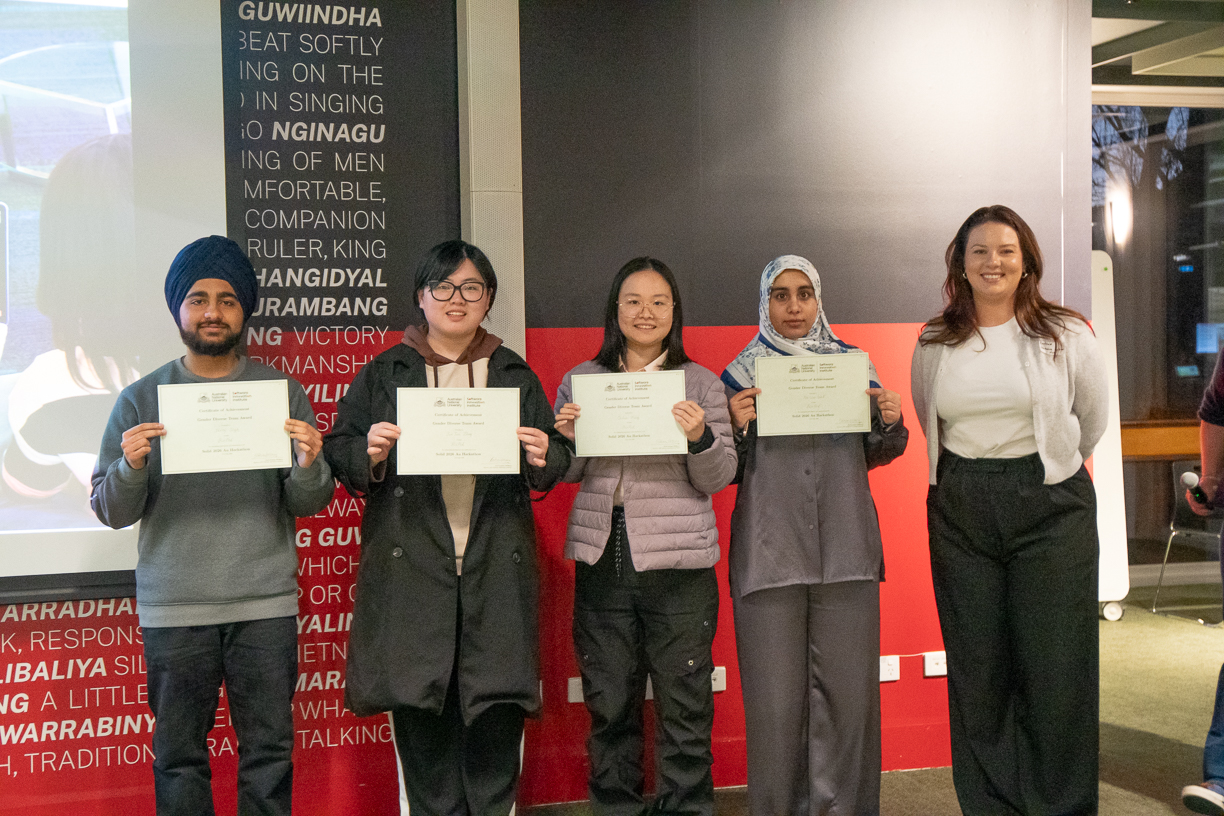
-
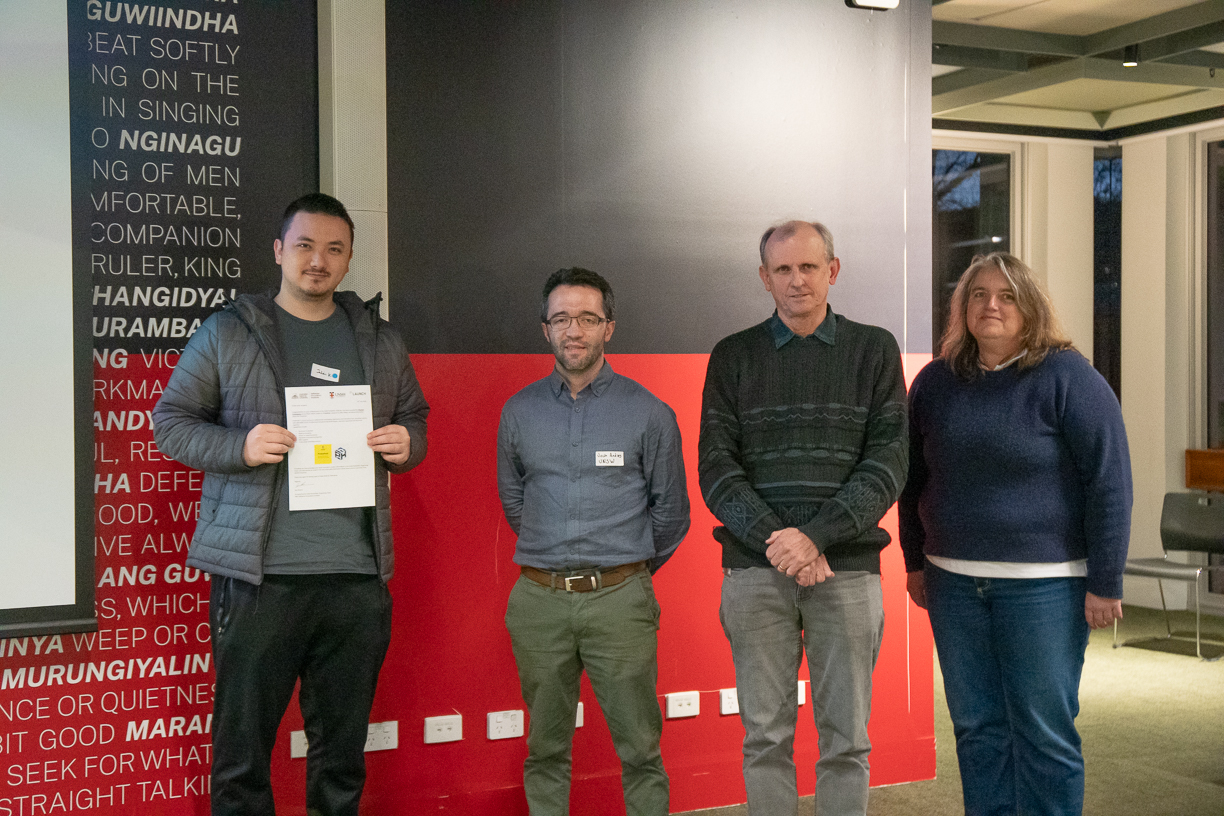
Random prize winner
Julian Knowles of Team Self Sovereign Wiki
Thank you
Events like this only happen because a lot of people give generously of their time and expertise. Our sincere thanks to our judges:
- Graham Williams from ANU
- Josh Andres from UNSW
- Anania Esayas from ACS
- Dani Gullotta from UC
- Caitlan Williams from Canberra Cyber Hub
- Ed Prior from Baidam
to mentors:
- Graham Willams
- Jess Moore
- Dawei Chen
- Anushka Vidanage
- Tony Chen
to the volunteers who kept everything running across the three days:
- Zhangcheng Qiang
- Buddhi Kothalawala
- Oshini Bandara
and to our sponsors:
- The Australian National University
- The Canberra Innovation Network
- The Open Data Institute
- The Australian Computer Society
- Link Digital
- The Open Source Institute
- The University of Canberra
- UNSW Canberra
- Tom Worthington
Also, thanks to Anthropic for providing Claude credits for participants to use during the hackathon.
Thanks above all to the participants. Your energy, curiosity, and willingness to dive into an unfamiliar protocol and ship something real is exactly what building a community of privacy engineering practitioners looks like.
What's next
The hackathon may be over, but the community isn't going anywhere. The Discord server remains open for questions, collaboration, and project updates, and teams are encouraged to keep building, post-hackathon innovation support is available for projects with momentum.
Join our Flutter on Solid Discord server to stay connected with the community: https://discord.gg/48FQ6uVbR
If you'd like to explore Solid for yourself, you can register a Pod on our community servers and start experimenting today.
Photos courtesy of Manon Mckeachie and Kaithlyn Senturias from ANU marketing team.